When you think about planning your wedding, hotel rooms might not be the first thing on your list. You’re probably dreaming about your venue, your outfits, and what song you’ll play for your first dance. But here’s a detail that can make (or break) your guests’ experience: booking a wedding hotel room block.
If you’re not sure what a room block even is, or why you’d need one, don’t worry—you’re not alone. But by the end of this guide, you’ll know exactly why they matter, how they work, and how to save yourself a lot of time and stress in the process.
What is a wedding hotel room block, anyway?
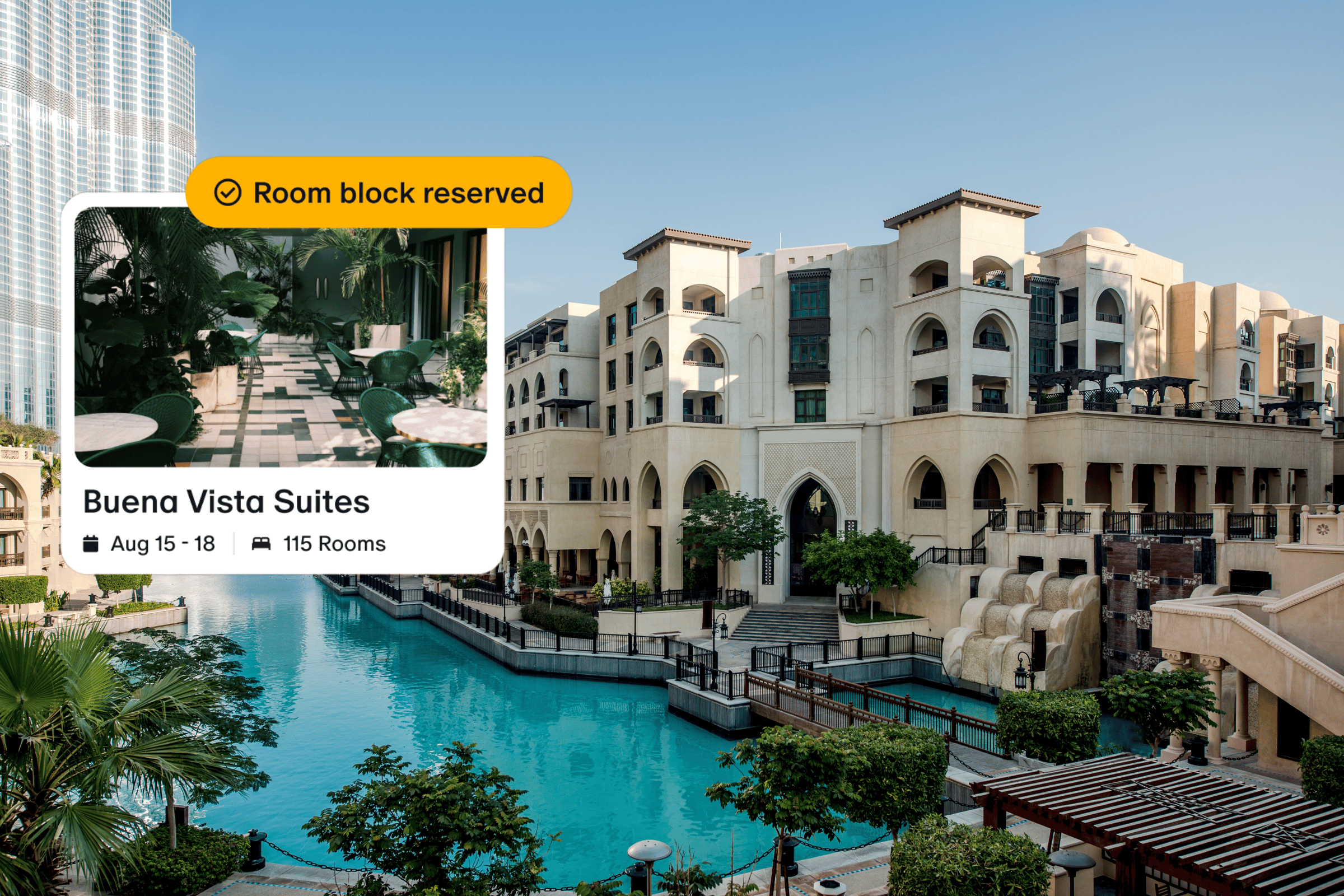
A hotel room block is essentially a group reservation—usually 10 or more rooms—that’s held under your name for a specific period of time. It’s designed for weddings, events, or any time a bunch of people are traveling to the same place and need a place to stay.
Instead of each guest trying to figure out where to book (and risking rooms selling out or prices going up), you can secure a block of rooms in advance at a negotiated rate.
Why room blocks matter for weddings
Here’s the thing: when you’re inviting guests from out of town—or planning a destination wedding—room blocks become incredibly important. They help ensure that your guests are staying near each other (and your venue), often save people money, and take a lot of stress off your shoulders.
Here’s why room blocks are a must:
1. They Make Life Easier for Your Guests
Your guests are already spending time and money to be there for your big day. Giving them a straightforward option for where to stay, often with a discounted rate, is a thoughtful way to show you’ve got them covered.
2. They Help You Stay Organized
When guests are all staying in one or two places, it’s much easier to plan things like welcome bags, transportation, and after-party plans. You’ll know exactly where everyone is, and they’ll appreciate the convenience.
3. They Can Save You (and Them) Money
Hotels often offer group discounts if you’re booking a certain number of rooms. That’s where tools like Engine come in—they help you access rates you wouldn’t get just by booking online individually.
4. They Prevent Last-Minute Booking Disasters
Popular wedding weekends (especially in destination or tourist-heavy spots) can fill up quickly. Room blocks let you reserve rooms for your guests before the hotel sells out, so everyone can stay close to the action.

When to start looking for room blocks
The general rule? The earlier, the better. For local weddings with some out-of-town guests, you should start looking about 6–9 months in advance. For destination weddings, aim for closer to the 12-month mark. This gives your guests enough time to plan and ensures you have options when it comes to availability and rates.
What to consider when booking a room block
Not all room blocks are created equal. When you start researching, you’ll want to keep these things in mind:
- Location: How close is the hotel to your venue? Will guests need transportation?
- Room types and amenities: Are there options for families, couples, and accessibility needs?
- Perks: Some hotels may offer complimentary rooms for the couple, free breakfast, or welcome bag delivery.
- Cut-off date: This is when the unused rooms in your block get released. Make sure it’s clearly communicated to guests!
If that all sounds like a lot to figure out, you’re not wrong. That’s why more couples are turning to tech-forward platforms like Engine, which handles the nitty-gritty details for you—all at no cost! Just fill out one simple form, and Engine sends hotel options straight to your inbox, complete with side-by-side comparisons of prices, amenities, and perks. It’s a smarter, stress-free way to book room blocks—without spending a dime.
How to actually book a room block (without losing your mind)
Sure, you could go the traditional route—calling and emailing hotels one by one, negotiating group rates, juggling spreadsheets, and hoping you don’t miss anything. But let’s be honest: with everything else on your wedding planning plate, that’s a lot to take on.
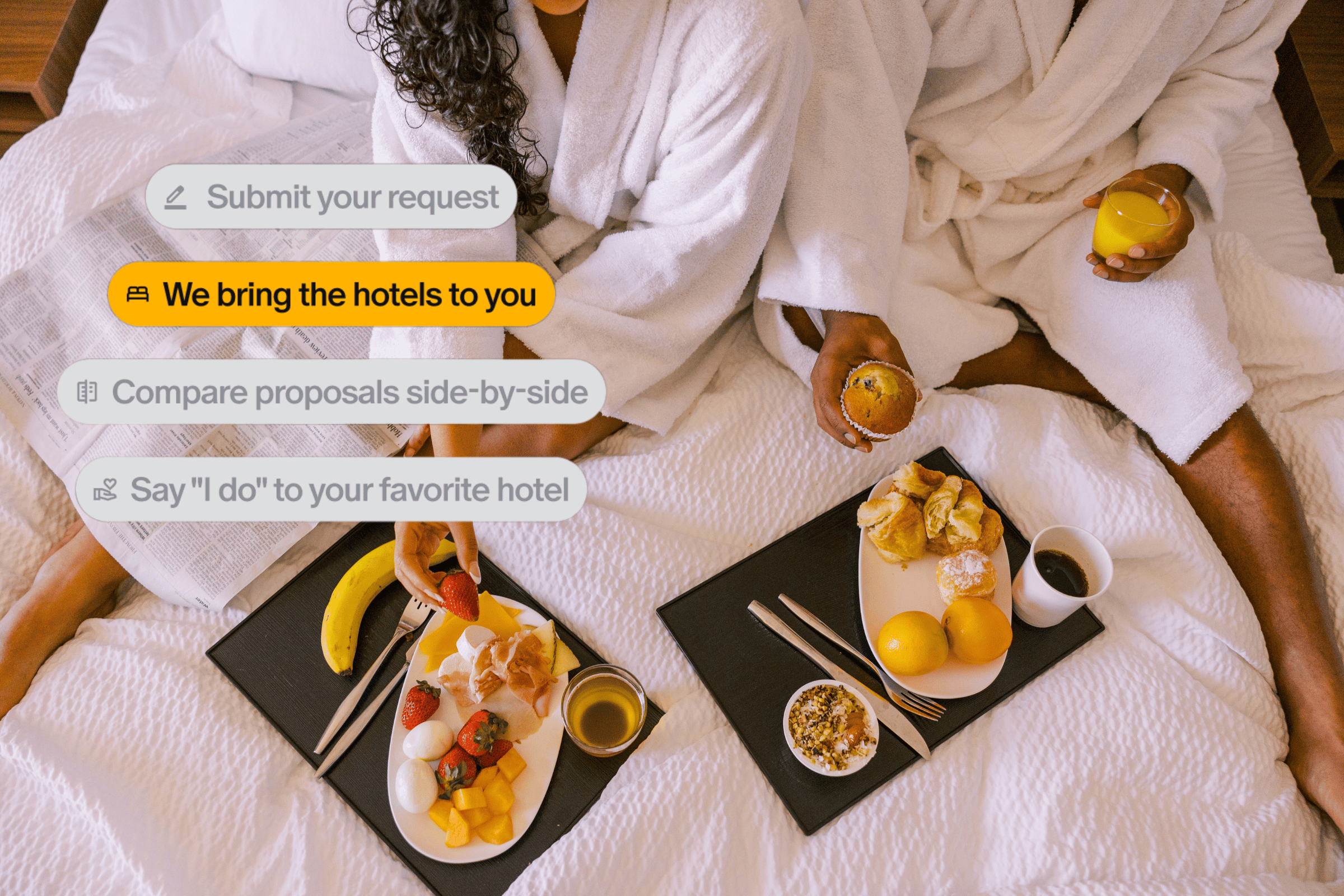
That’s why so many couples are turning to booking platforms like Engine, which streamlines the entire process. Instead of doing the legwork yourself, Engine brings the hotels to you. Add your wedding details to the Engine platform, and within as little as four business hours, hotels start sending their best group offers—often at rates you won’t find online. You can easily compare pricing, amenities, and policies side by side, then choose your favorite.
Once you’ve picked your hotel, Engine takes it from there—handling everything from rate negotiation and contract coordination to special requests like shuttles or accessible rooms. It’s efficient, stress-free, and totally free for couples to use. Basically, it's how room blocks should be done.
Faqs
Do guests pay for their own rooms?
In most cases, yes—guests book and pay for their own rooms within your reserved block. However, if you prefer, you can choose to cover the cost of all or some of the rooms up front. It’s totally up to you, and platforms like Engine can help coordinate whichever payment setup works best for your plans and budget.
How many rooms should I block?
A good rule of thumb is to reserve rooms for 70–80% of your guest list, especially if many are coming from out of town.
What if some guests want to stay elsewhere?
Totally fine! Room blocks are meant to offer an easy option—not a requirement.
Can I book multiple hotels?
Absolutely. If your guest list includes a range of budgets, having more than one hotel block gives guests flexibility. Platforms like Engine can help you manage multiple blocks all in one place.
Room blocks made simple
Room blocks might not be the most glamorous part of wedding planning, but they’re one of the most practical. They simplify things for your guests, give you peace of mind, and help your entire celebration run smoother.
Whether you’re planning a destination wedding or just have a few guests flying in, setting up a room block early can save you (and your guests) from stress later on. And if the thought of managing it all on your own feels overwhelming, services like Engine are here to help—from the first quote to the final check‑out.

Related Articles