Jewish weddings are rich with history, symbolism, and meaningful traditions that have been practiced for centuries. Each custom reflects deep cultural and religious significance, providing couples with a beautiful way to honor their heritage while creating cherished memories. If you’re planning a Jewish wedding, this guide will help you understand the traditions and explore creative ways to incorporate them into your big day.
Ketubah: the marriage contract
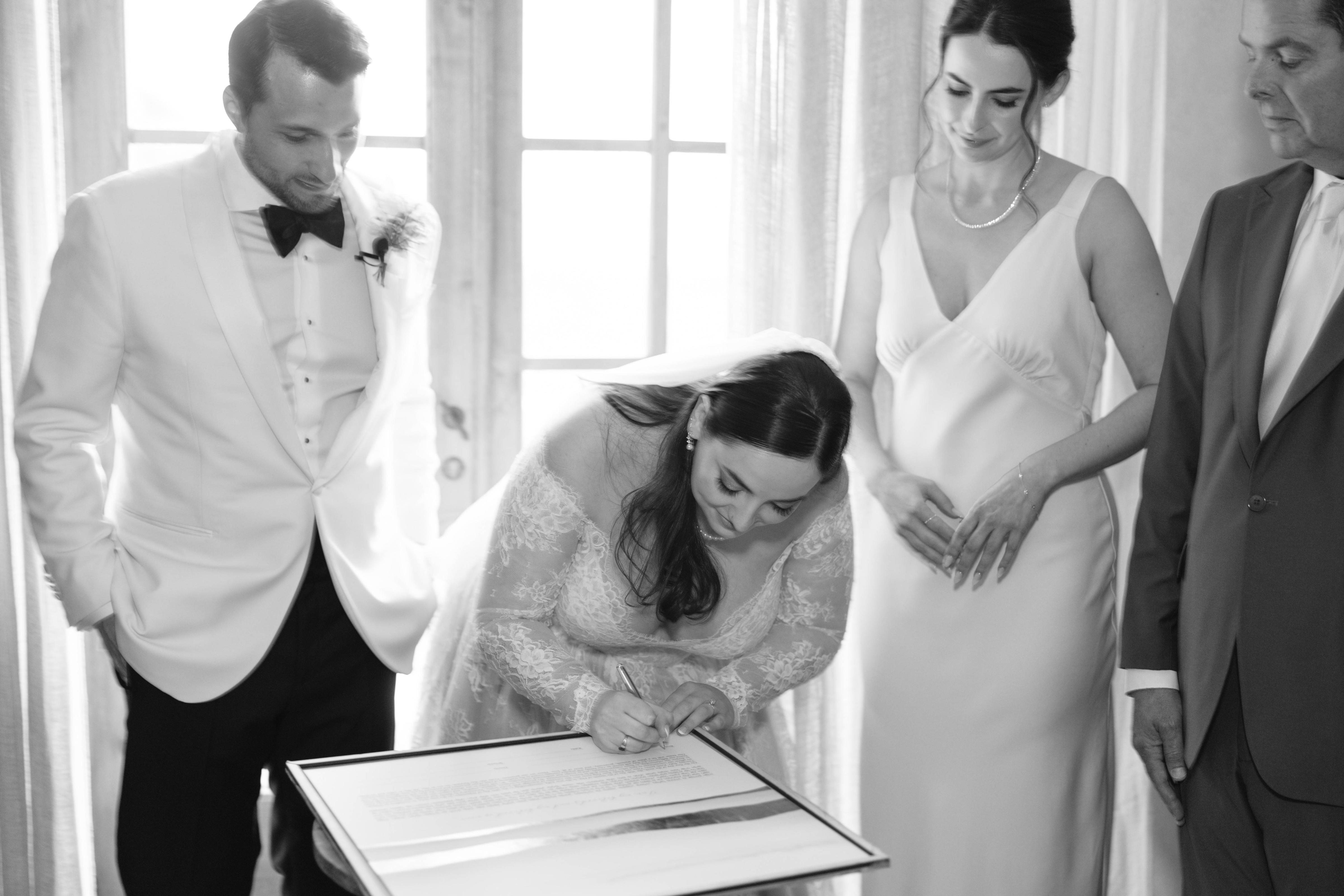
One of the most distinctive aspects of a Jewish wedding is the signing of the ketubah, a ceremonial marriage contract. This document outlines the couple’s commitments to each other, traditionally focusing on the groom’s obligations to his bride. Today, many modern couples personalize their ketubah to reflect mutual promises and shared values.
How to Incorporate It:
- Work with an artist to design a custom ketubah that matches your wedding theme.
- Display the ketubah at your reception for guests to admire.
- Include a short reading of the ketubah during the ceremony to share its significance with your guests.
The chuppah: a symbol of the couple’s new home
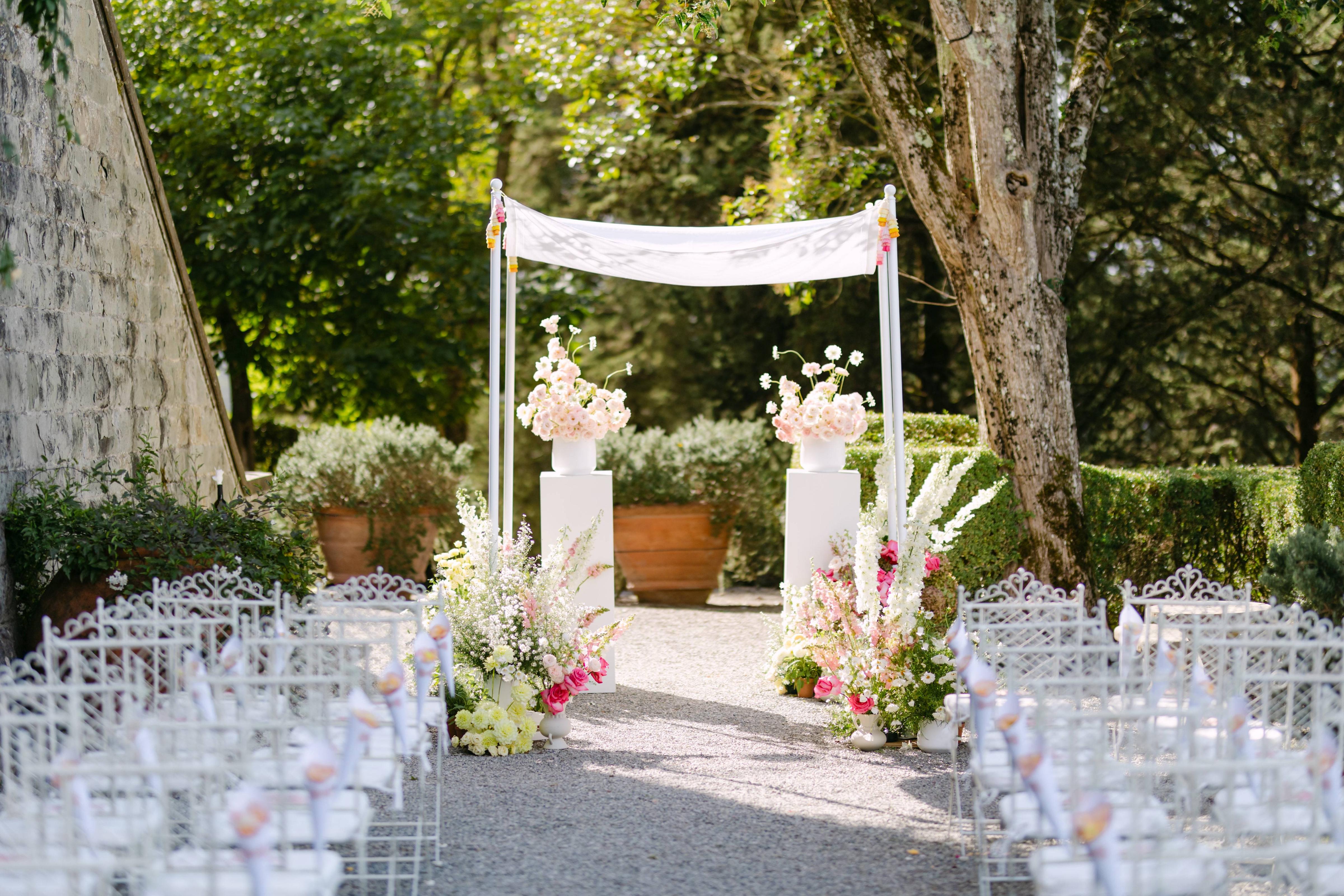
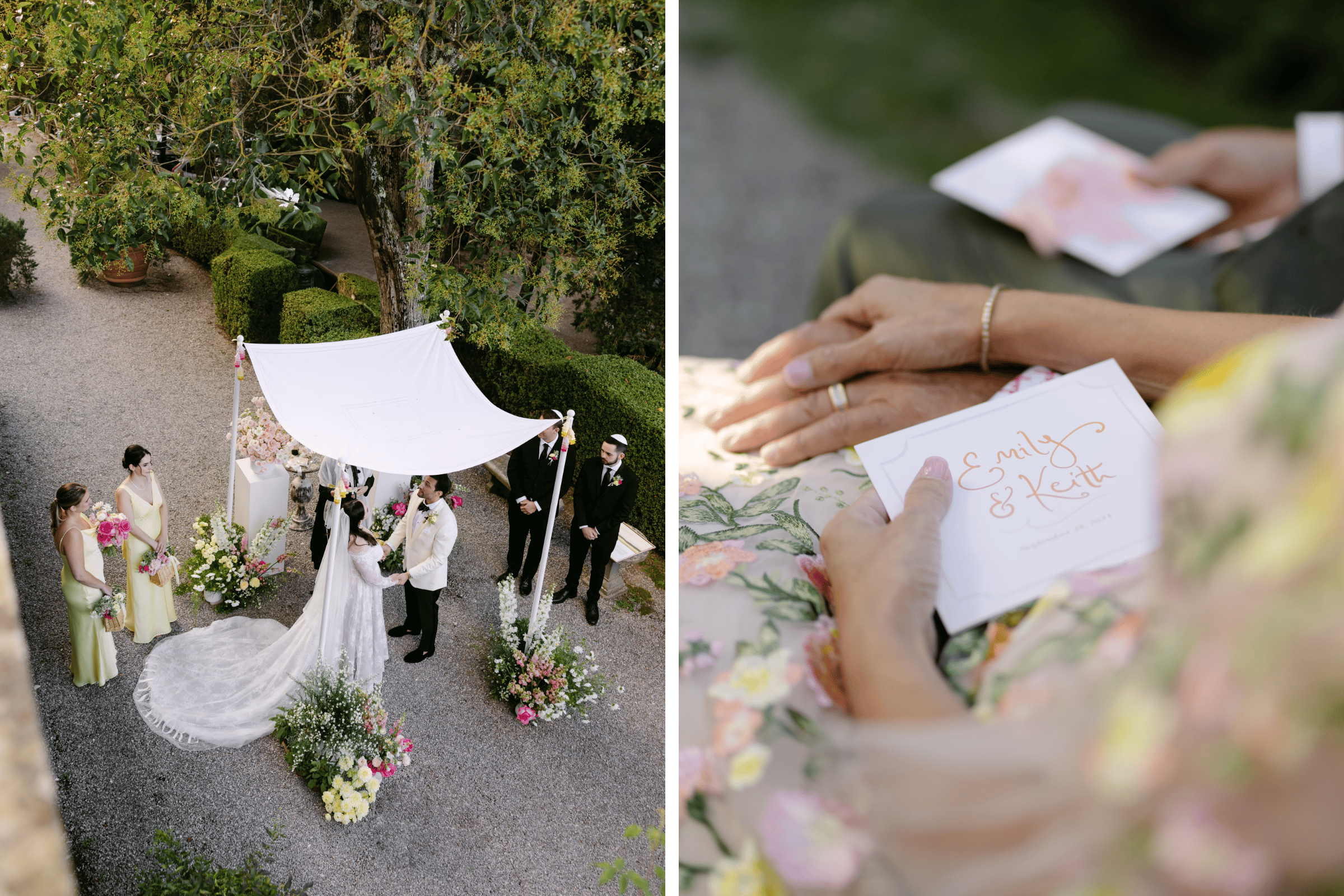
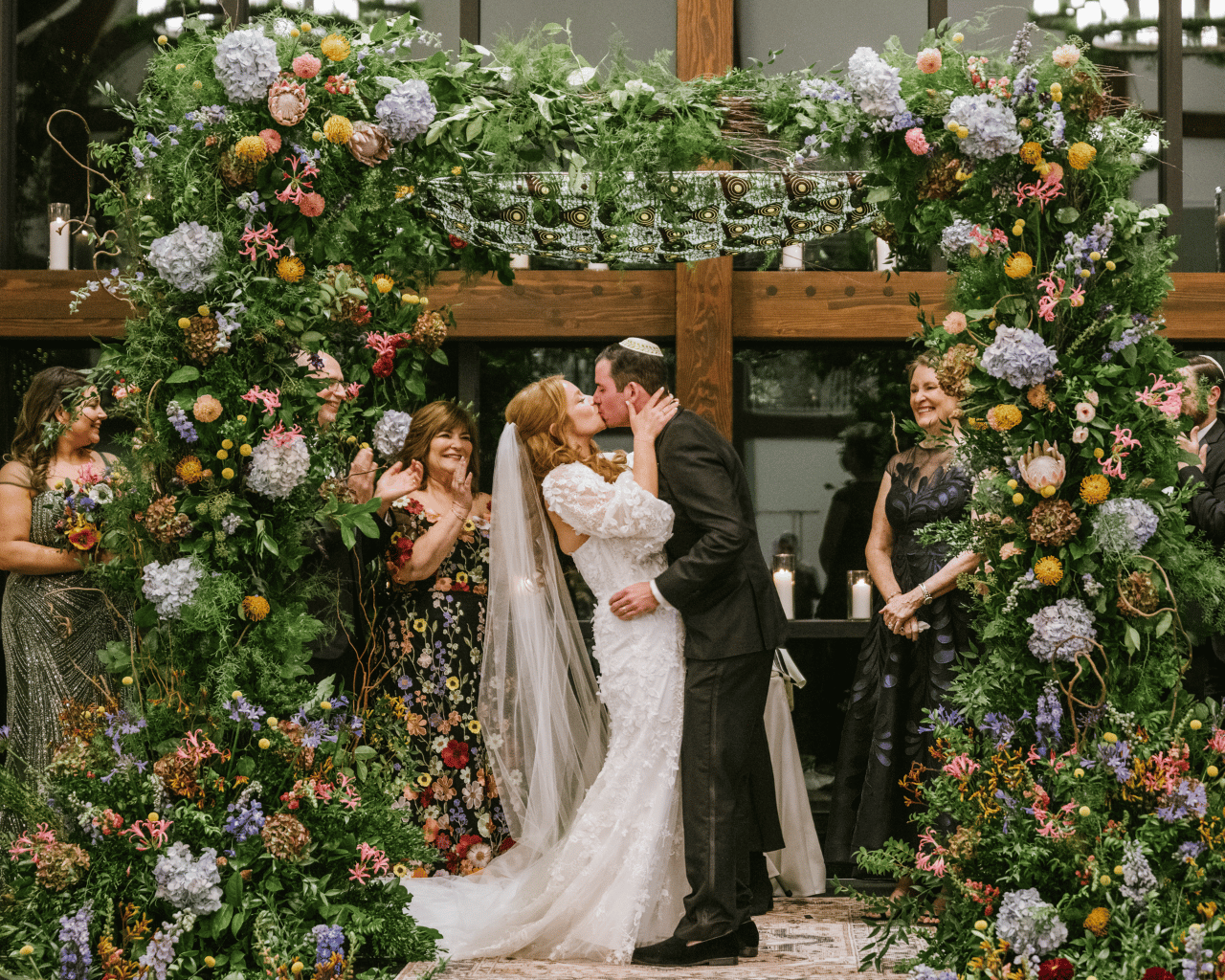
The chuppah is a canopy under which the couple stands during the ceremony. Representing the home the couple will build together, it’s often decorated with flowers, fabric, or family heirlooms.
How to Incorporate It:
- Use fabric from a family member’s wedding gown or tallit (prayer shawl) to create a meaningful chuppah.
- Incorporate your wedding colors or floral arrangements into the design.
- Ask close family or friends to hold the chuppah poles, symbolizing their support in your marriage.
The bedeken: veiling the bride
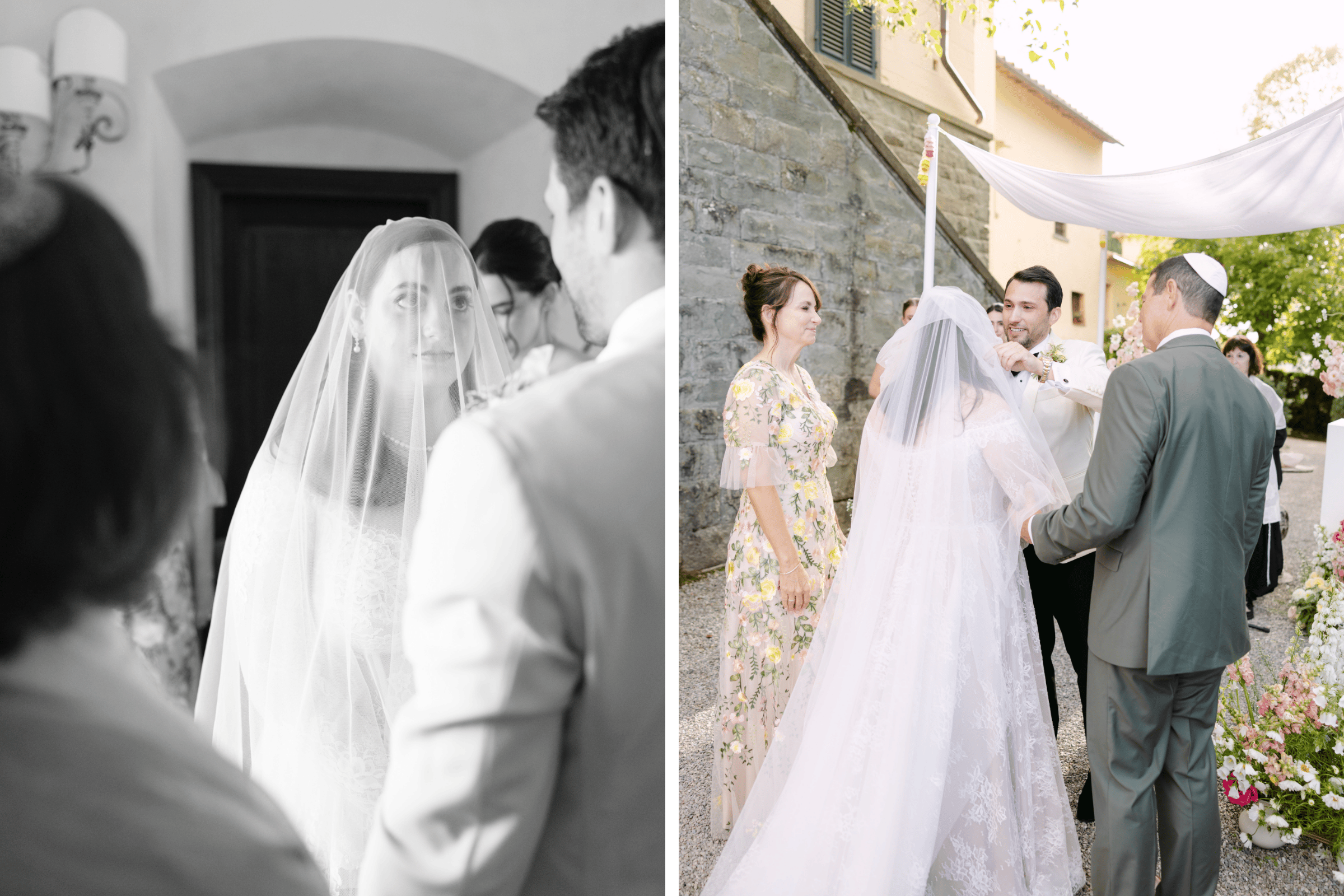
The bedeken, or veiling ceremony, is a poignant moment where the groom ensures he is marrying the right bride, echoing the biblical story of Jacob who was tricked into marrying the wrong bride. This tradition often takes place just before the wedding ceremony.
How to Incorporate It:
- Add music or a meaningful prayer to the veiling moment.
- Have the bedeken in a separate room with close family and friends for an intimate experience.
- Use a veil with personal or symbolic elements, such as lace from a family heirloom.
The wedding processional
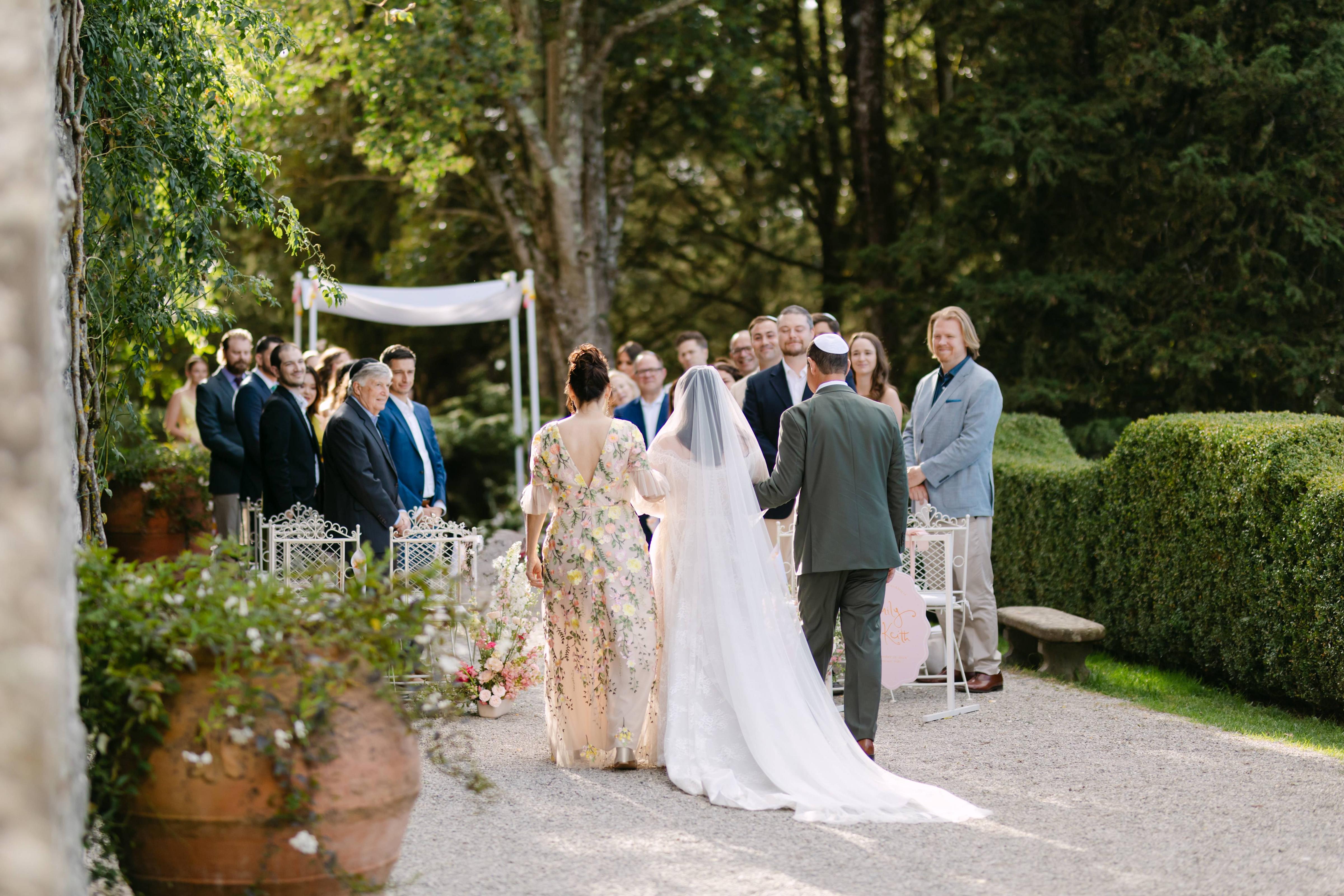
In Jewish weddings, both parents traditionally escort the bride and groom down the aisle. This reflects the importance of family and the shared responsibility of guiding the couple into married life.
How to Incorporate It:
- Personalize the processional with music that has special meaning to your family.
- Allow each parent to share a short blessing or word of advice before the ceremony begins.
- Consider having grandparents or other significant family members participate.
The circling tradition
During the ceremony, the bride traditionally circles the groom seven times, symbolizing the creation of a new family unit. Some couples choose to adapt this custom, with both partners circling each other.
How to Incorporate It:
- Use soft, instrumental music to enhance the moment.
- Personalize the tradition by sharing a whispered vow or blessing during each circle.
- Explain the significance of the custom in your ceremony program for guests unfamiliar with the tradition.
The sheva brachot: seven blessings
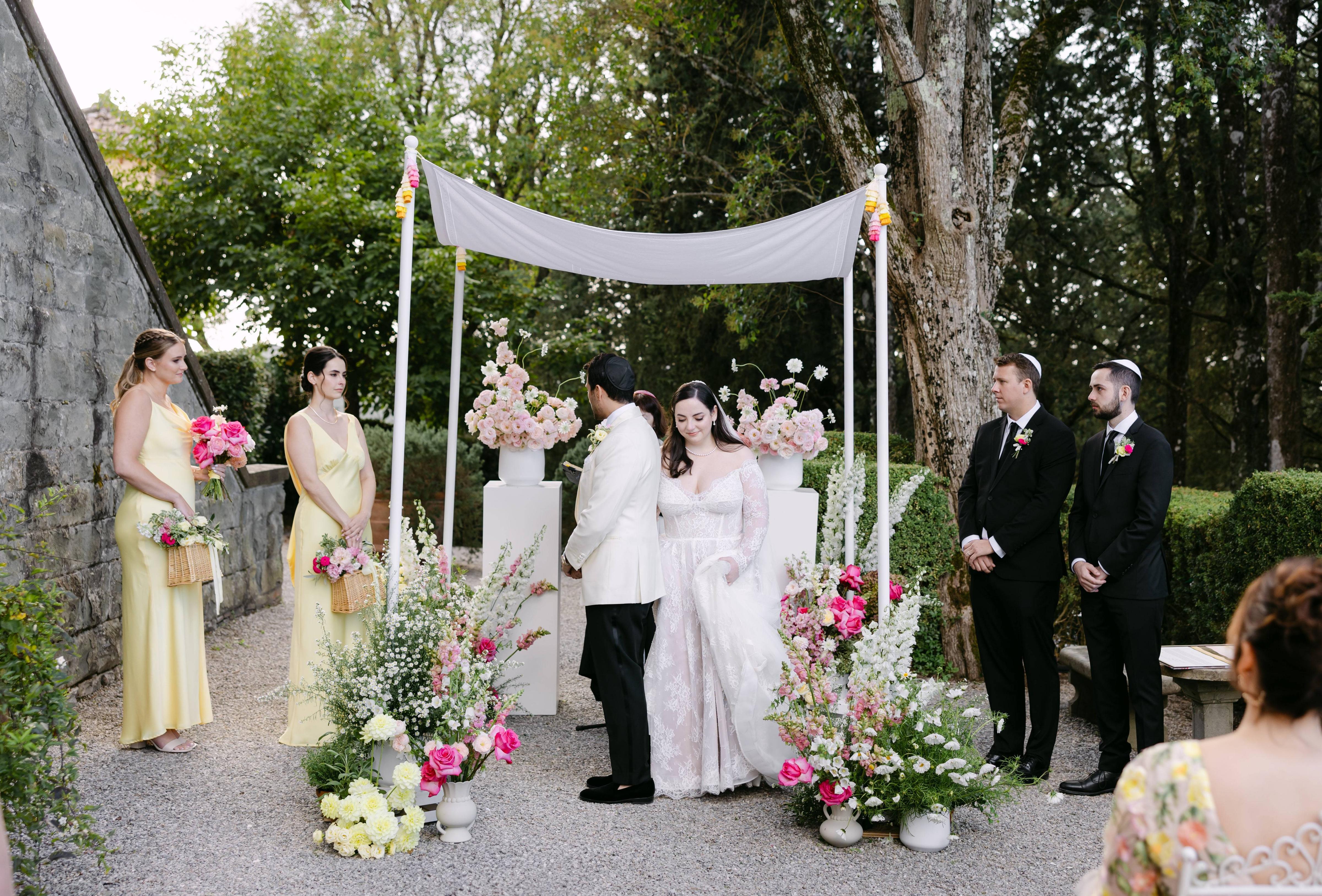
The sheva brachot, or seven blessings, are recited under the chuppah. These blessings praise God, celebrate the couple, and emphasize themes of joy and creation.
How to Incorporate It:
- Invite family members or close friends to recite each blessing.
- Incorporate a mix of Hebrew and English for accessibility.
- Add live music or singing to enhance the spiritual atmosphere.
Breaking the glass
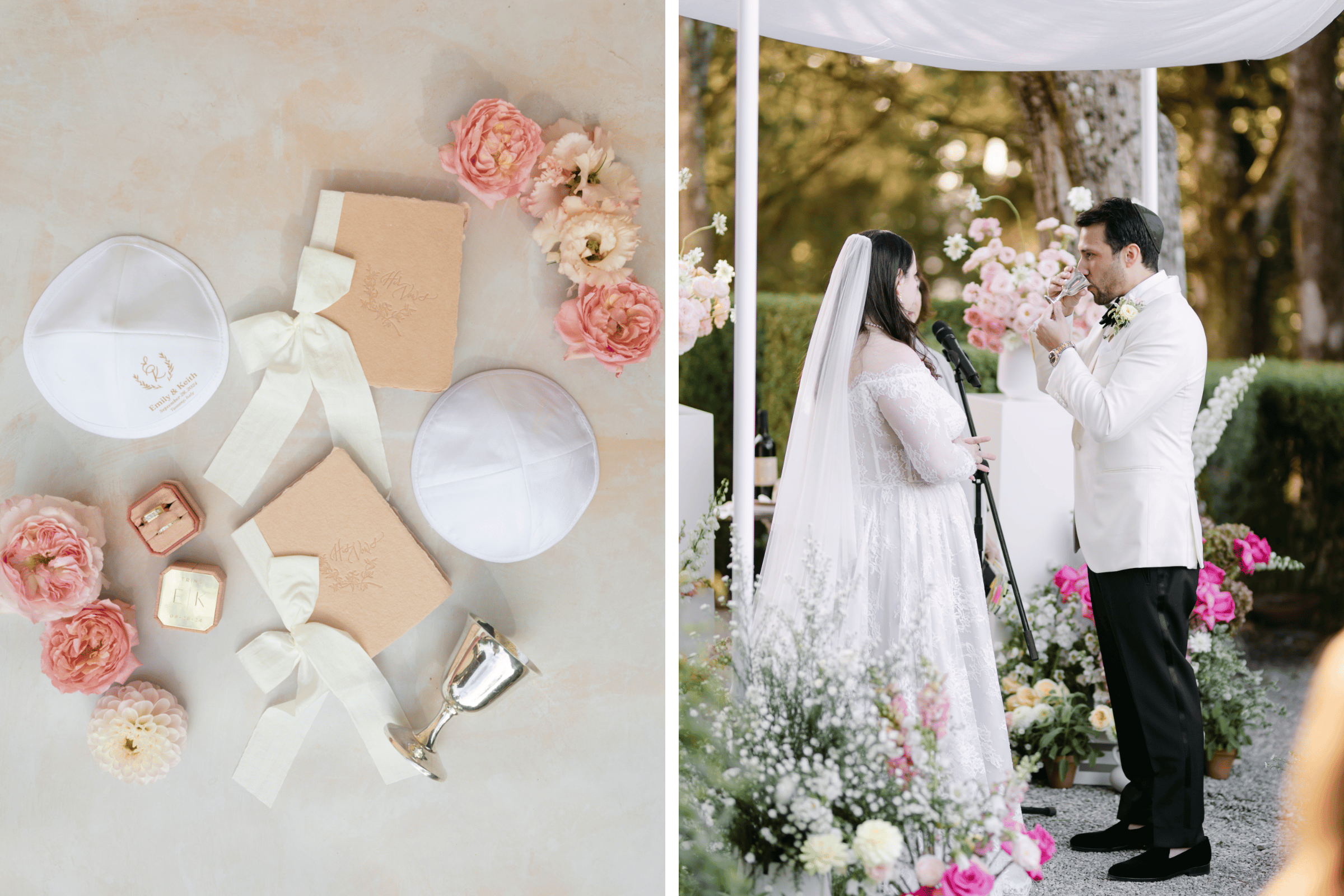
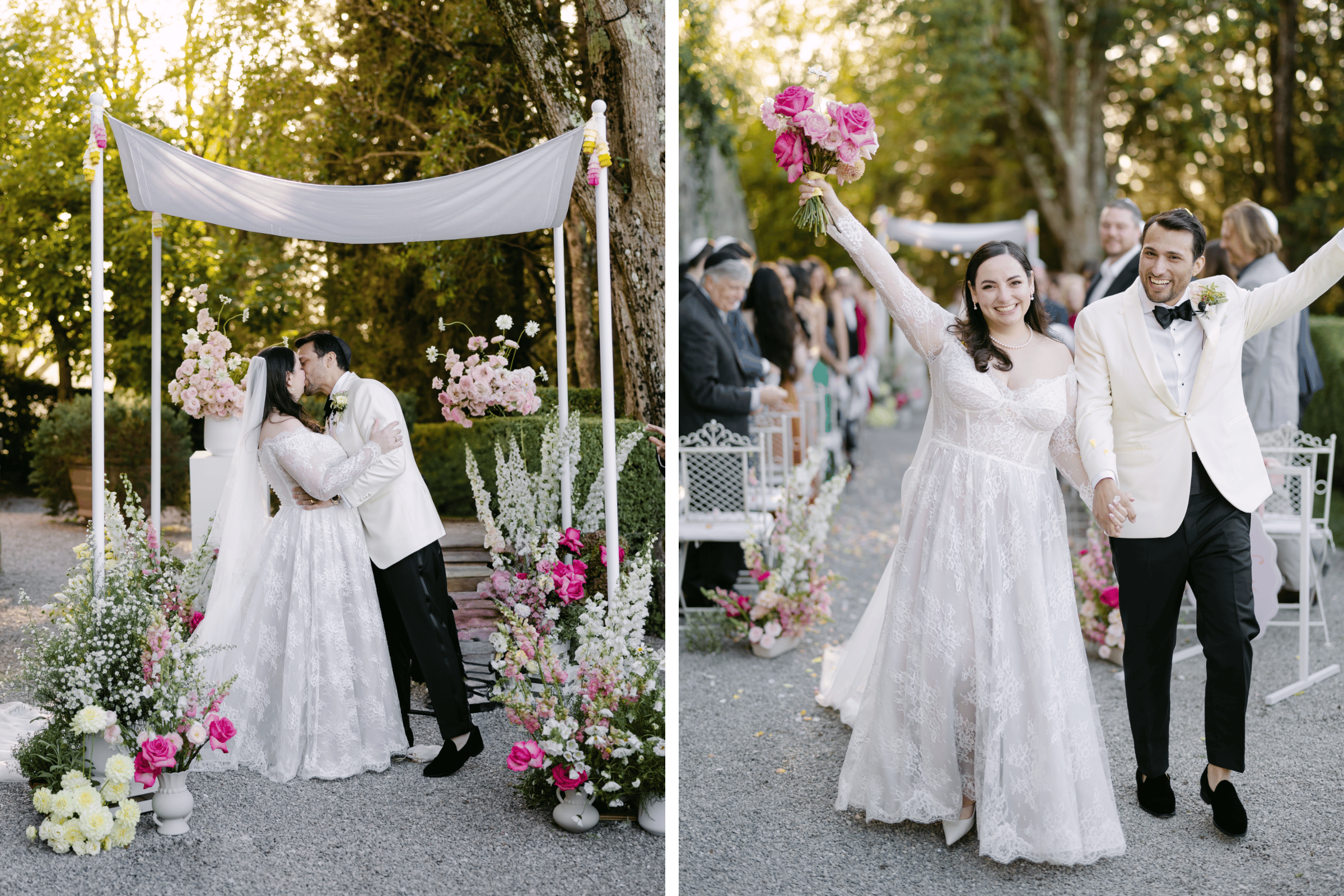
At the conclusion of the ceremony, the groom (and sometimes the bride) stomps on a glass. This tradition symbolizes the fragility of life, the destruction of the Temple in Jerusalem, and the commitment to stand by each other through life’s ups and downs.
How to Incorporate It:
- Use a decorative bag to hold the glass, which can later be turned into a keepsake, such as a mezuzah or jewelry.
- Encourage guests to shout “Mazel Tov!” (Congratulations!) as a joyful conclusion to the ceremony.
- Include a brief explanation in your program about the tradition’s meaning.
The yichud: private time for the couple
After the ceremony, the couple spends a few moments alone in the yichud room. This private time allows them to reflect on their new marriage before joining the reception.
How to Incorporate It:
- Decorate the yichud room with candles or flowers for a romantic touch.
- Share a light snack or drink to recharge before the festivities.
- Use this time to exchange personal letters or gifts.
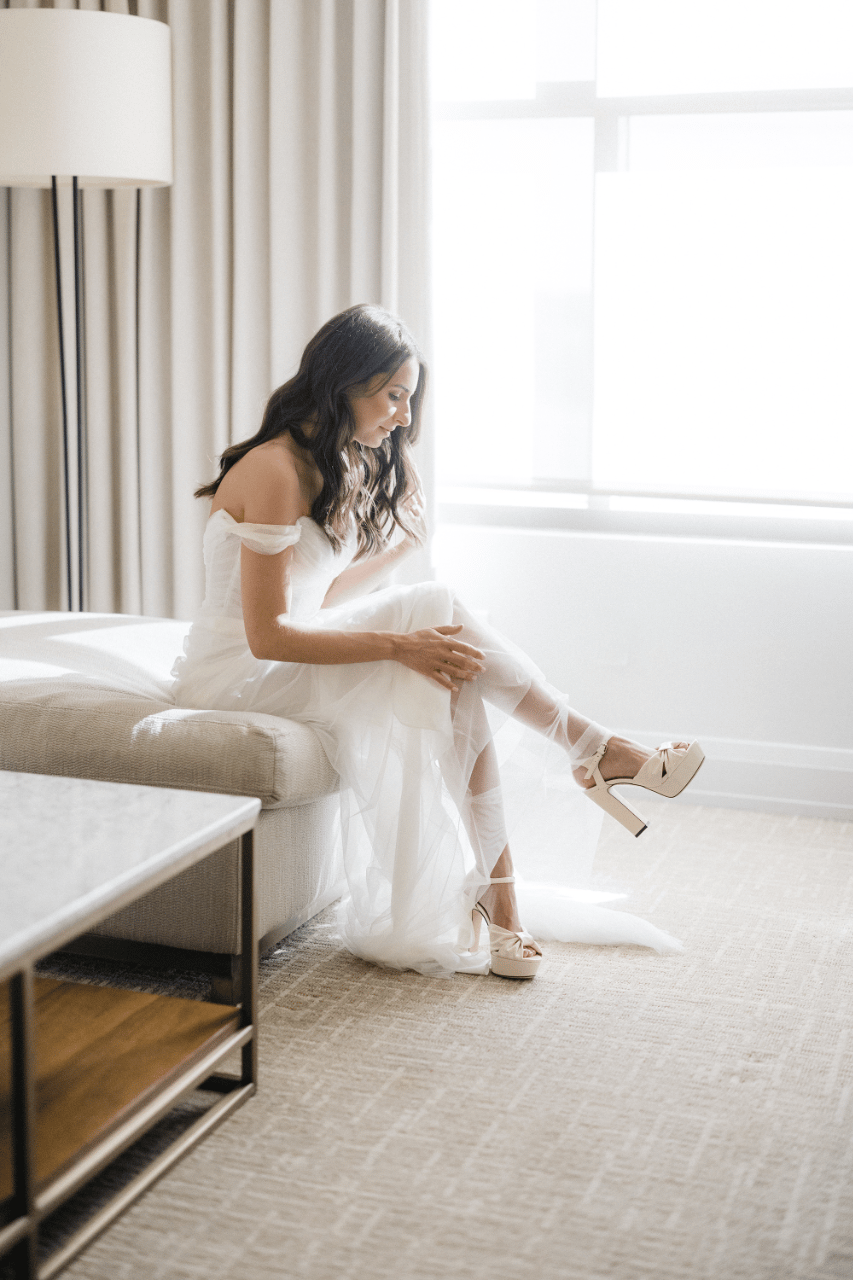
We were feeling nervous about our first dance, so during the Yichud, we took a few minutes to practice in our wedding outfits. It helped us figure out if my dress or shoes might get in the way before the big moment. Plus, it turned into such a sweet and special moment, just the two of us, before stepping back out to celebrate with everyone else. – Emily, a Loverly Bride
Hora & dancing
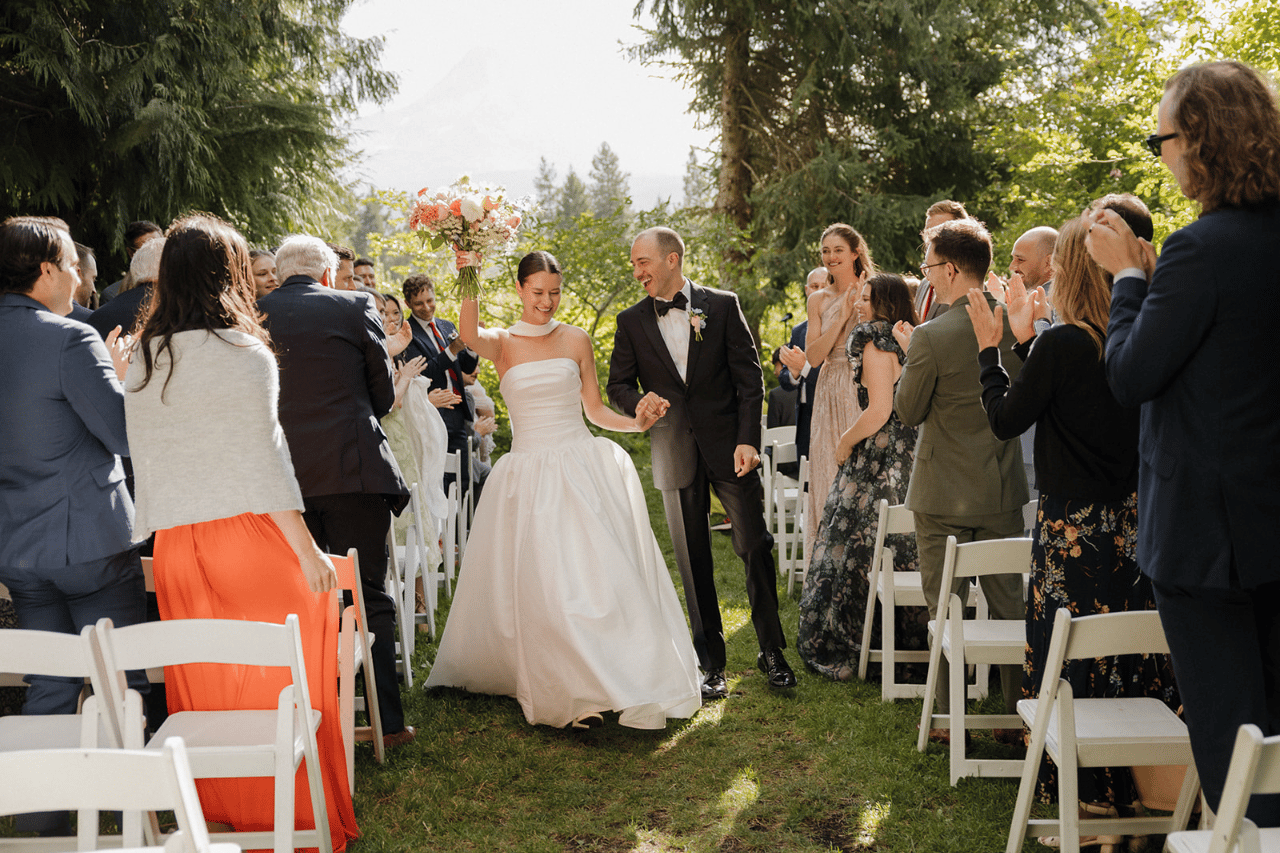
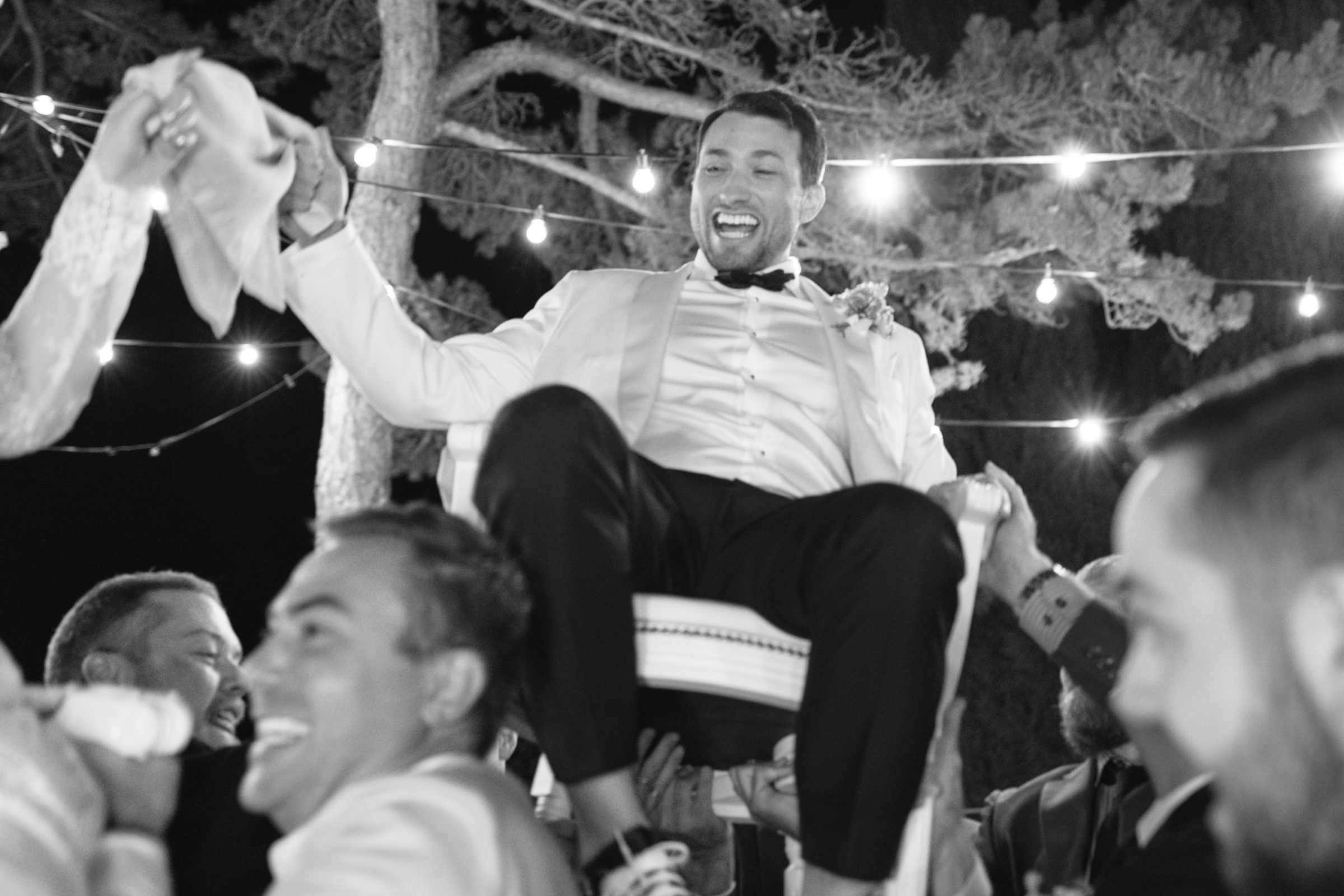
No Jewish wedding is complete without the hora, a spirited dance where the couple is lifted on chairs while guests dance in circles around them. The hora is a lively way to celebrate and unite everyone in attendance.
How to Incorporate It:
- Work with your band or DJ to play traditional Jewish wedding music.
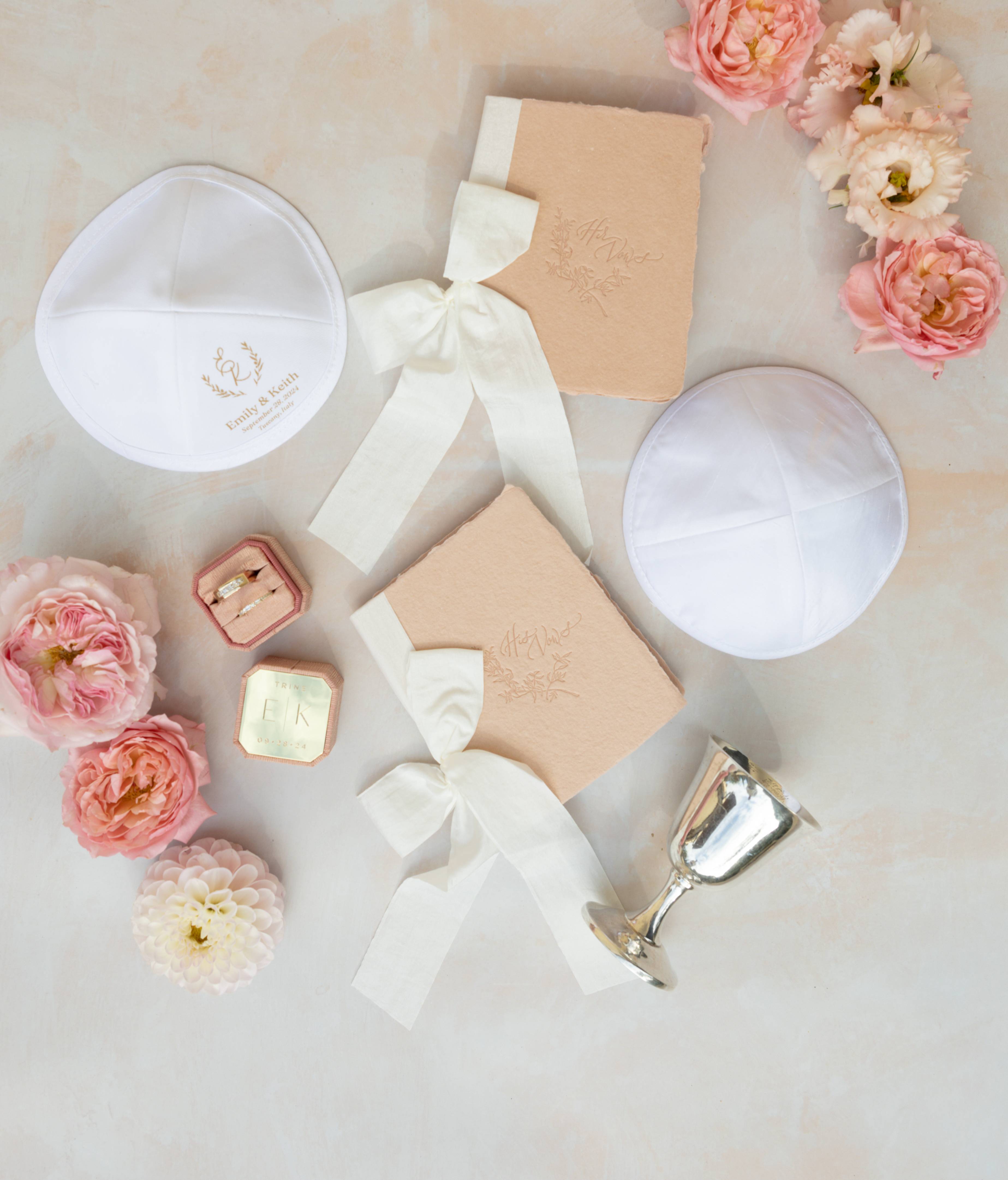
- Provide guests with kippot (yarmulkes) or other props to enhance the festive atmosphere.
- Capture the moment with a professional photographer or videographer for lasting memories.
Kosher catering
Food plays a central role in Jewish weddings, and many couples choose to incorporate kosher catering to honor dietary traditions.
How to Incorporate It:
- Work with a kosher caterer to design a menu that suits your taste and theme.
- Include traditional dishes like challah, gefilte fish, or kugel alongside modern options.
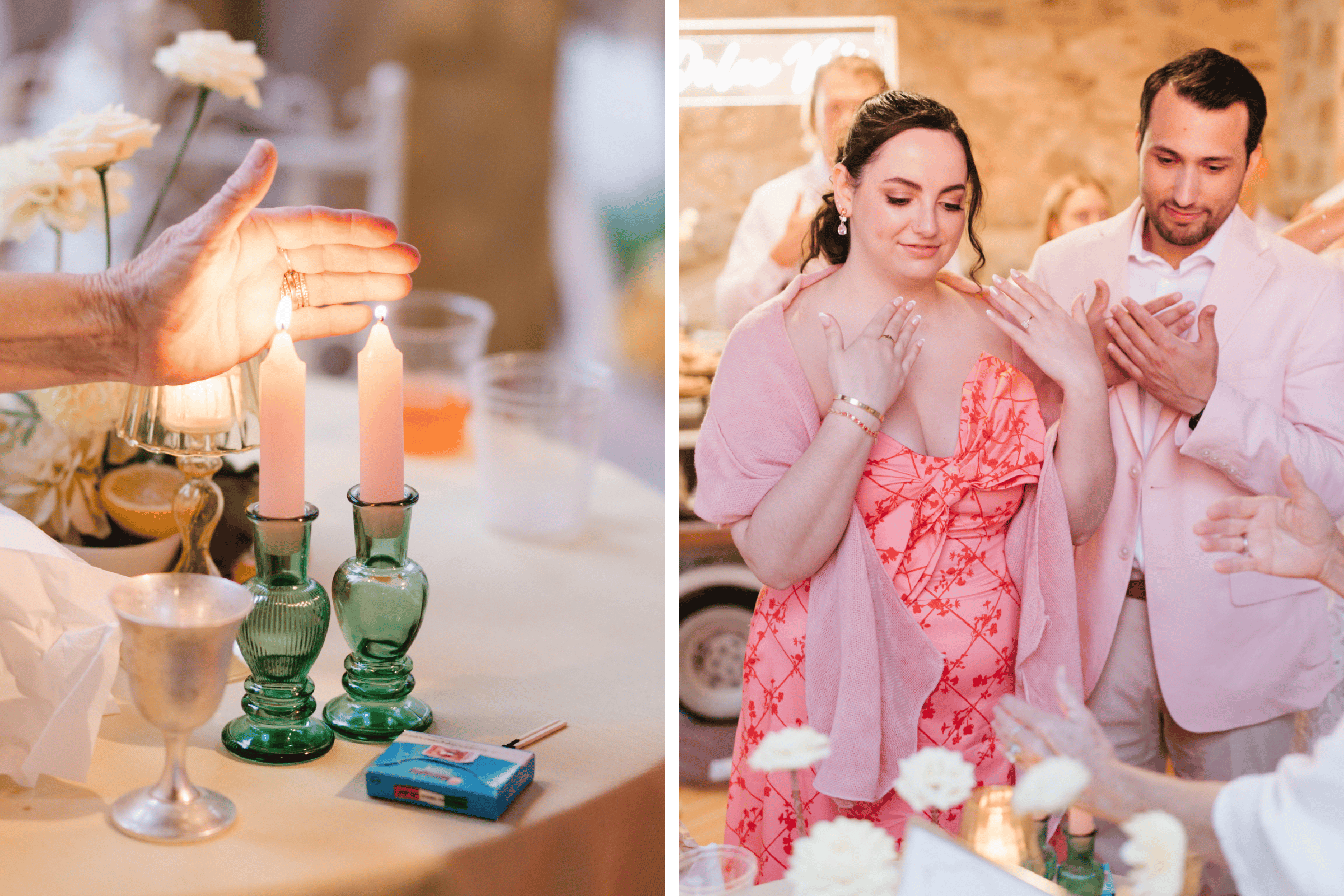
- Use a challah-cutting ceremony to kick off the reception.
Modern takes on jewish wedding traditions
Couples today are finding creative ways to honor traditions while making them their own:
- Combine traditional blessings with personalized vows.
- Include LGBTQ+ inclusive elements in your ceremony.
- Incorporate multicultural elements if you’re blending Jewish traditions with another heritage.
- Use eco-friendly decor for your chuppah or reception space.
Jewish wedding traditions offer a profound way to connect with heritage and faith while celebrating the joy of marriage. Whether you choose to follow these customs closely or adapt them to your unique style, incorporating these meaningful elements will ensure your wedding is memorable and deeply personal.
Remember, your wedding is a reflection of your love story and values. By understanding and honoring these traditions, you’ll create an experience that resonates with both you and your guests for years to come.
If you’re planning your Jewish wedding, consult with your rabbi or a wedding planner experienced in Jewish ceremonies to help you integrate these traditions seamlessly into your big day.
Explore Jewish Real Weddings

Related Articles