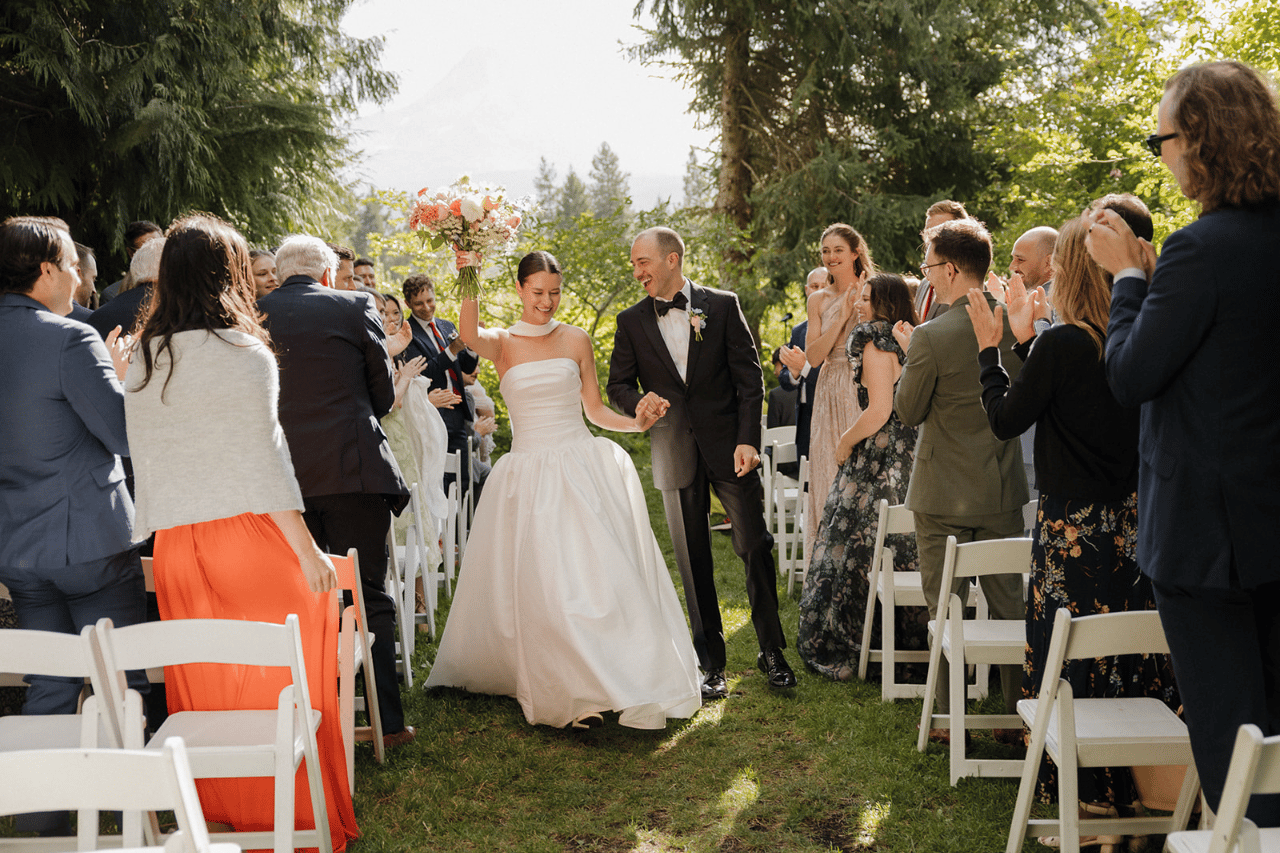
Let’s be real: not all of us enjoy wedding planning. While some spend their whole life getting all of the details straight, others may feel daunted at the task of making one day special and get lost in those same details. That confusion and anxiety can only grow when you add the aspect of faith, more specifically faith that you and your partner don’t share, into the mix. Interfaith couples can face a whole slew of challenges that others may not in planning their celebration. Hopefully, these tips and tricks will allow you to take some more deep breaths and feel more confident and centered in your wedding planning goals. First things first though, faith, like many other identities, can be complicated. Many of us have struggled personally with our faith throughout our lives, at one time or another. Faith can be incredibly personal or private, and it can be hard to declare yourself definitively as one faith, something a traditional wedding day sometimes pressures you to do. Add in family, a partner, your partner’s family, and any other guests, all who may have stronger or differing faith backgrounds than you, and this stuff can get a little messy. It’s important to remember, as with any wedding planning detail, that this day is truly about you and your partner, and you shouldn’t feel any pressure to plan a ceremony that you aren’t comfortable with. Let’s Talk Details In a somewhat obvious statement, wedding planning is all about the details. When it comes to an interfaith wedding, there can be many, many details to consider. The best way to work through the mounting pile of decisions to be made? Talk about them! View this post on Instagram A post shared by Loverly®️ Wedding Inspiration (@loverly) on Jul 17, 2020 at 8:25am PDT Whether it’s officiant, ceremony type, the length of the ceremony, or even the possibility of multiple ceremonies to honor both you and your partner’s faith, it can only be made simpler and more authentic by sharing your honest thoughts. What’s more, consider speaking to a leader in your respective faith, whether a rabbi, a pastor, or anyone else who might be able to work with you to sort out what you feel is truly important to honor on your wedding day and what might be able to be left for another day of worship. And as much as you talk, be ready to listen. Interfaith weddings, possibly more than other weddings, thrive on compromise. Be prepared to, if not make sacrifices, at least compromise on what’s important to both you and your partner when it comes to creating a respectful and important celebration of both your love and faith on your wedding day. Don’t DIY By this, we don’t mean that you can’t do some craft projects – actually quite the opposite. Instead, we mean instead of doing it all yourself, it’s sometimes a lot better to delegate, and don’t try to shoulder the enormous task of planning an interfaith wedding all by yourself. Interfaith weddings can sometimes be large, not only in planning but in practice, with multi-day traditional ceremonies. Remember that you are not alone in this process. Ask others to help out, whether it’s in doing said DIY craft projects or helping plan one specific task that you feel comfortable with them completing. You know people’s strengths and weaknesses, perhaps even better than they know themselves, so you are positioned to match people up with tasks you believe they will do well at. View this post on Instagram A post shared by Sikh Destination Wedding (@sikhpriest) on Jul 25, 2020 at 9:12am PDT However, delegating doesn’t come naturally for all of us. If you’re feeling overwhelmed at the prospect of giving people lots of small tasks and feel more comfortable doing it all of it yourself (“so that it come out right” is a popular non-delegator phrase), sit down with your partner or a trusted friend to take through how to reduce your load. Sometimes speaking with one person instead of thirty can make you feel less anxious and be more honest about what you reasonably think you can get done. Plus, then you have delegated! Your partner or friend can inform others what needs to be done and relay any problems or concerns back to you. One more wedding planning task: handled. If Not To Educate, At Least To Inform Once the meat and bones of the planning is done, between just the two families, there may be a lot of questions — about the type of ceremony you’ve chosen, who is officiating, why you aren’t doing this or that, what your partner’s faith really means. Think about ways that you can encourage dialogue without putting either you or your partner in a position where you have to defend your decisions or your faith. Maybe a meeting with your parents and grandparents and officiant would allow you to talk through what the ceremony will look like and allow them to voice their questions and concerns in a smaller, more intimate setting. You by no means have to cater your wedding to their desires for you if you don’t feel that’s right for you, but giving them an opportunity to ask questions without fear of judgment will allow you to maintain your relationship. View this post on Instagram A post shared by Meredith ~ Celebrant ~ She/Her (@marriedbymeredith) on Jul 23, 2020 at 10:04pm PDT Also, when it comes to guests at large, take this opportunity to write up a small booklet outlining the plan for the ceremony and where each part connects to your respective faiths. Instead of incessantly asking you questions at the reception about what such and such song or symbol met, guests can inform themselves about the history and traditional aspects of your wedding. You may not be able to change everyone’s opinion, but you can at least offer the opportunity to inform others and have them inform themselves so they can be as respectful and as unobtrusive as possible. So What’s Next for Your Interfaith Wedding? While it may be overwhelming to consider right now, a wedding is the beginning of a new chapter of your life together. So, at some point within the wedding planning process, plan for what’s next. Especially since you are already having such thoughtful conversations about faith with your partner, consider what holidays you want to celebrate, what days of worship are important for you to observe, and, if you are considering having children, how you would like them to be raised. You don’t have to figure everything out right now, but starting the conversation will at least allow you to understand where you both are right now and where you may need to go to work on a compromise. View this post on Instagram A post shared by Hitchin Wedding Collective (@hitchin_wedding_collective) on Jul 27, 2020 at 5:14am PDT Same rules as to the first point apply: speak only as much as you listen and be honest and authentic with yourself and your partner about what you truly feel is important – and what you feel like you could maybe let go of. By starting these conversations at a point that may feel “too early” you’re actually setting a strong base of communication and compromise that will last you through any of the challenges that married life may bring you. These tips are by no means a comprehensive list or an accurate representation of the deeply emotional process of planning an interfaith wedding. However, we hope that they can offer you some advice on how to begin the process and what you might be able to expect along the way. Are you currently planning an interfaith wedding or have done so in the past? We’d love to hear from you! Reach out to us on Instagram about your wedding and navigating the wedding world as an interfaith couple.

Related Articles