Let’s talk diamonds—the ultimate symbol of love, commitment, and, let’s be honest, a bit of sparkle envy. Lately, there’s been a big buzz in the jewelry world: Are lab-grown diamonds actually real diamonds? Are they worth the investment?
With their lower price tags and shiny but often misleading sustainability claims, it’s no wonder lab-grown diamonds have grown popular among budget-conscious Gen Z and millennial couples. But once you dig a little deeper, there’s more to the story. Natural diamonds continue to stand the test of time as the ultimate choice for engagement rings and heirloom jewelry, prized not only for their enduring value and emotional meaning but also for their traceable, conflict-free, and responsibly sourced origins. Let’s unpack why.
The lab-grown diamond boom: affordable, yes. but at what cost?
Lab-grown diamonds are manufactured in factories (not actually labs) using high-tech methods like Chemical Vapor Deposition (CVD) or High-Pressure High-Temperature (HPHT). They’ve gained serious traction—Statista reported in 2023 that the market hit $24 billion and could jump to $59 billion by 2030. Why? Because these lab-grown stones are often 20–50% cheaper than their natural counterparts.
Retailers have jumped on board, pitching them as the ethical, eco-conscious alternative. Sounds pretty good, right?
But here’s the catch: the market is now flooded with them. A 2024 Bloomberg analysis shows that lab-grown diamond prices have dropped a whopping 80% since 2018. While that makes them more affordable, it also raises questions about their long-term worth, especially if you're hoping for a piece that can be passed down over generations.
At the same time, retailers are cashing in with markups of up to 80%, meaning much of what you pay is profit, not value. According to The Wall Street Journal, their resale value often falls to just a few hundred dollars, which hardly matches the premium charged.
It’s a classic case of supply and demand—mass production means lower prices and less exclusivity. When it comes to something as meaningful as an engagement ring, many couples begin to question whether that bargain price is truly worth the long‑term tradeoff.
Natural diamonds: ancient, rare, & still sparkling
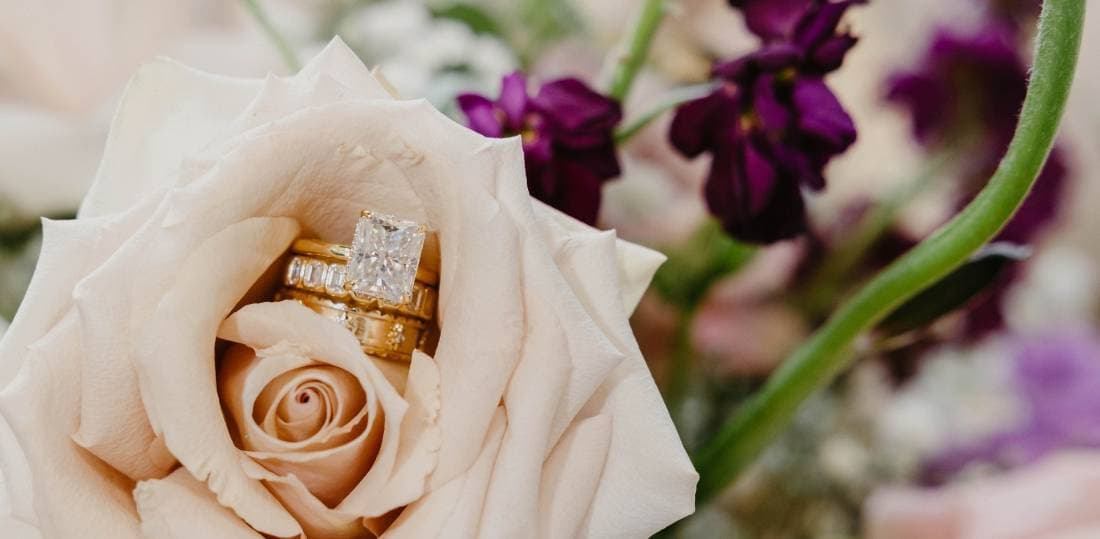
Now let’s turn the spotlight on natural diamonds. These beauties formed deep in the Earth over billions of years—yes, billions. That kind of history isn’t just cool trivia; it’s what gives natural diamonds their allure. But the impact goes beyond geology.
According to research from the Natural Diamond Council, the natural diamond sector supports 10 million jobs around the globe—from miners to artisans. In countries like Botswana, up to 80% of a diamond’s value stays within the local economy, funding schools, hospitals, and infrastructure. Many mining companies are also partially owned by local governments, giving them a direct stake in both profits and decision‑making.

And thanks to the Kimberley Process, a global certification system mandated by the UN and WTO, 99.8% of natural diamonds on the market today are conflict-free, per the World Diamond Council.
Meanwhile, lab-grown diamonds often rely on energy-heavy processes powered by coal-based grids—especially in countries like China, where 60% of the world’s lab-grown diamonds are produced (Bain & Company, 2023).
Not just science—it’s the story that matters
Sure, lab-grown diamonds are chemically similar to natural diamonds. But gemologists will tell you: they’re not exactly the same. Specialized tools like the DiamondProof instrument can tell the difference in seconds by analyzing crystal growth patterns, fluorescence, and other science‑y stuff.
Why does that matter? Because, beyond the lab reports and certificates, natural diamonds come with character. They’ve got one-of-a-kind imperfections that tell a story—something lab-grown diamonds, whipped up in a few weeks, just don’t have. More importantly, natural diamonds are billions of years old and have to undergo an incredible journey before they find their way to you. Owning a diamond is like owning a piece of the Earth’s history.
According to a 2024 Forbes article, many jewelers are seeing couples gravitate back to natural stones for their authenticity and emotional depth. It's like the difference between a handwritten love letter and a text message—same message, but one just hits different.
The real value of forever
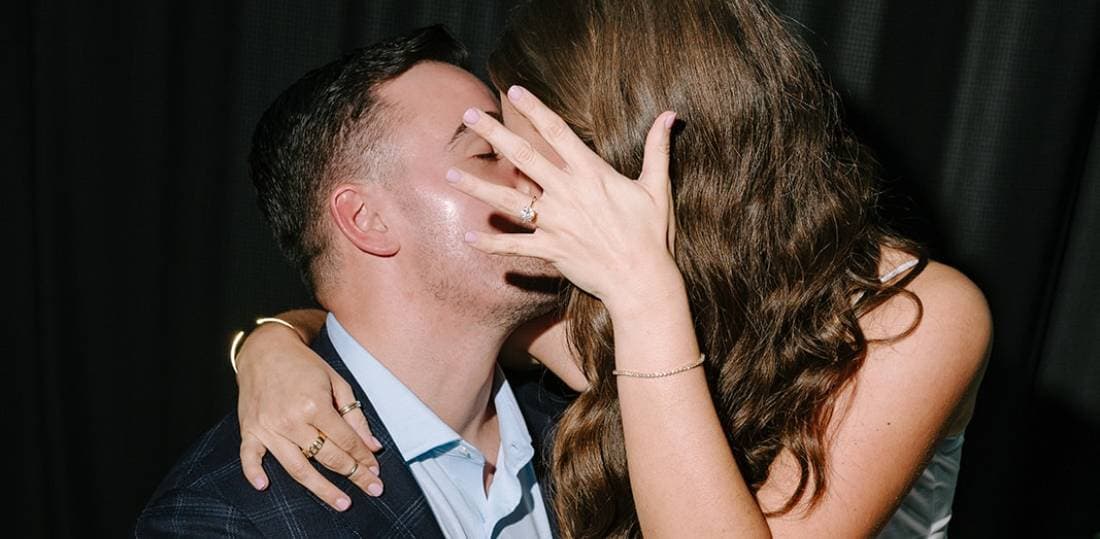
An engagement ring isn’t just jewelry—it’s a symbol. And for many, natural diamonds better reflect the once-in-a-lifetime nature of that commitment.
Natural diamonds are rare, resilient, and steeped in history. Think: royal engagement rings, Hollywood glamour, Marilyn Monroe belting out Diamonds Are a Girl’s Best Friend. It’s more than sparkle—it’s a legacy.
And financially speaking? Natural diamonds still hold strong. Large natural diamonds (3+ carats) typically retain 40–70% of their value, and natural diamonds from reputable brands maintain 30-50% of their retail value (Carat Trade Inc., 2025). Lab-grown diamonds, on the other hand, often plummet to less than 10% of their original price (Rapaport, 2023).
So, if you’re thinking about passing that ring down someday—or just want your investment to mean something more than fleeting fashion—a natural diamond is still the smart (and sentimental) choice.
What about ethics?
Lab-grown diamonds are often marketed as the “ethical” option when it comes to sourcing. But the full picture is more nuanced.
The natural diamond industry has made major progress, from environmental restoration projects to community development. Diamond mining companies are investing in sustainability, education, and healthcare in the regions where they mine.
Plus, thanks to regulations like the Kimberley Process, today’s natural diamonds come with layers of accountability that many lab-grown stones simply don’t. It’s all about transparency and choosing gems that align with your values, whether that’s ethical sourcing, environmental responsibility, or a desire for something timeless.
Final sparkle: which diamond is right for you?
Lab-grown diamonds definitely have their place. They’re budget-friendly, trendy, and readily available. But if you're after something rare, emotionally rich, and built to last, natural diamonds still shine the brightest.
At the end of the day, it’s not just about the carats or clarity—it’s about the meaning behind the sparkle. Natural diamonds carry generations of stories, jobs, and culture with them. And when you say “yes” with one, you’re becoming part of that timeless legacy.

Related Articles