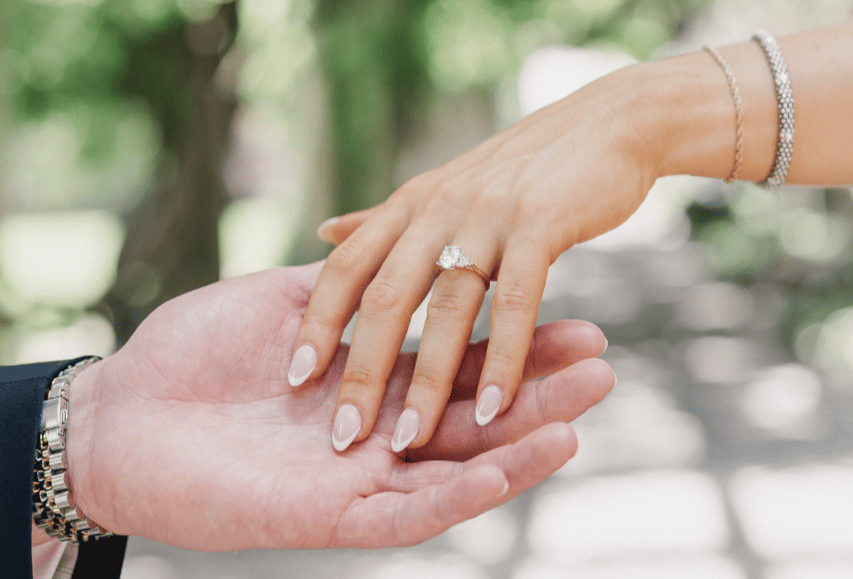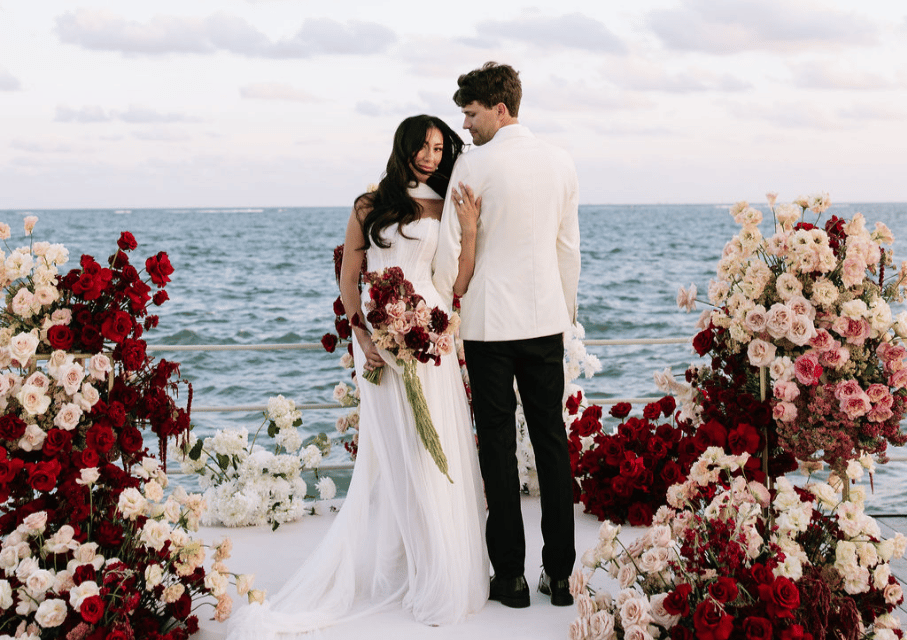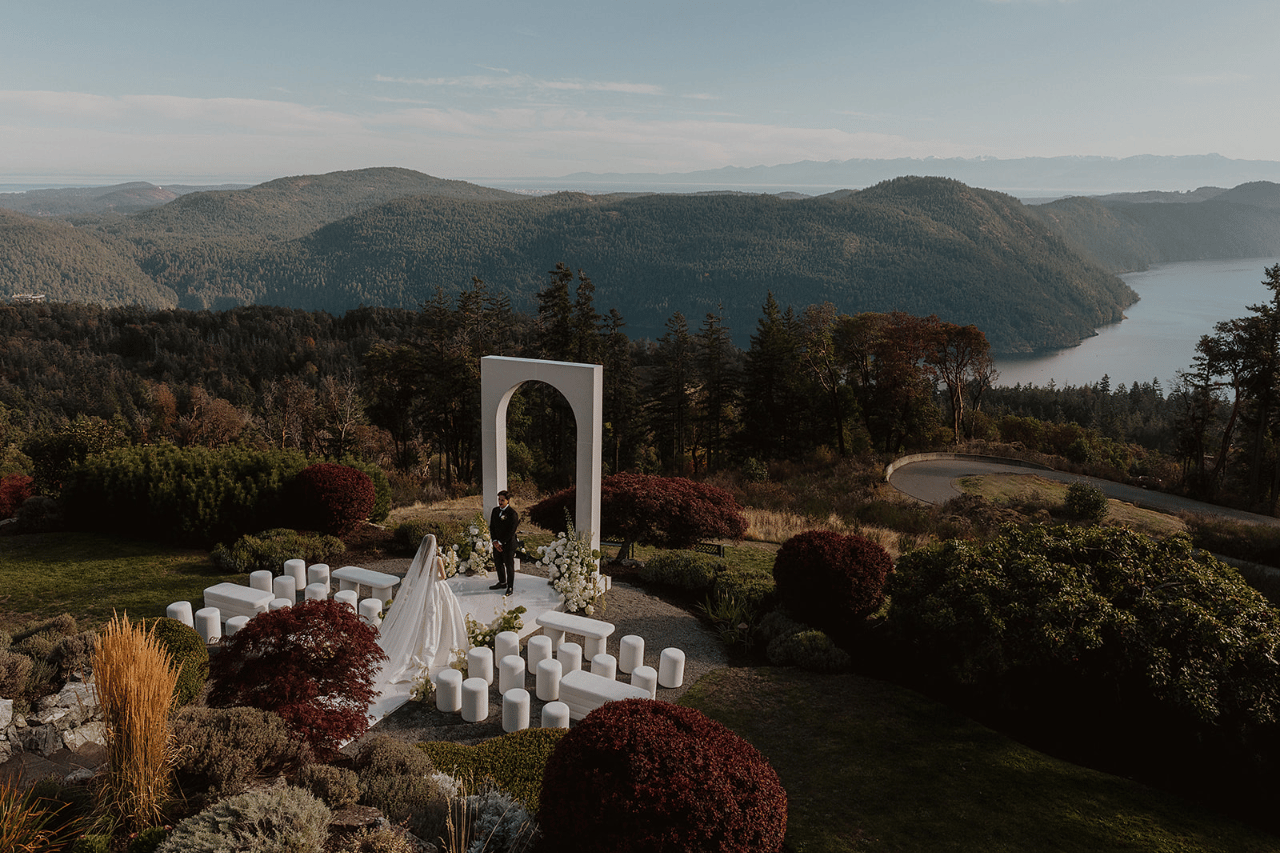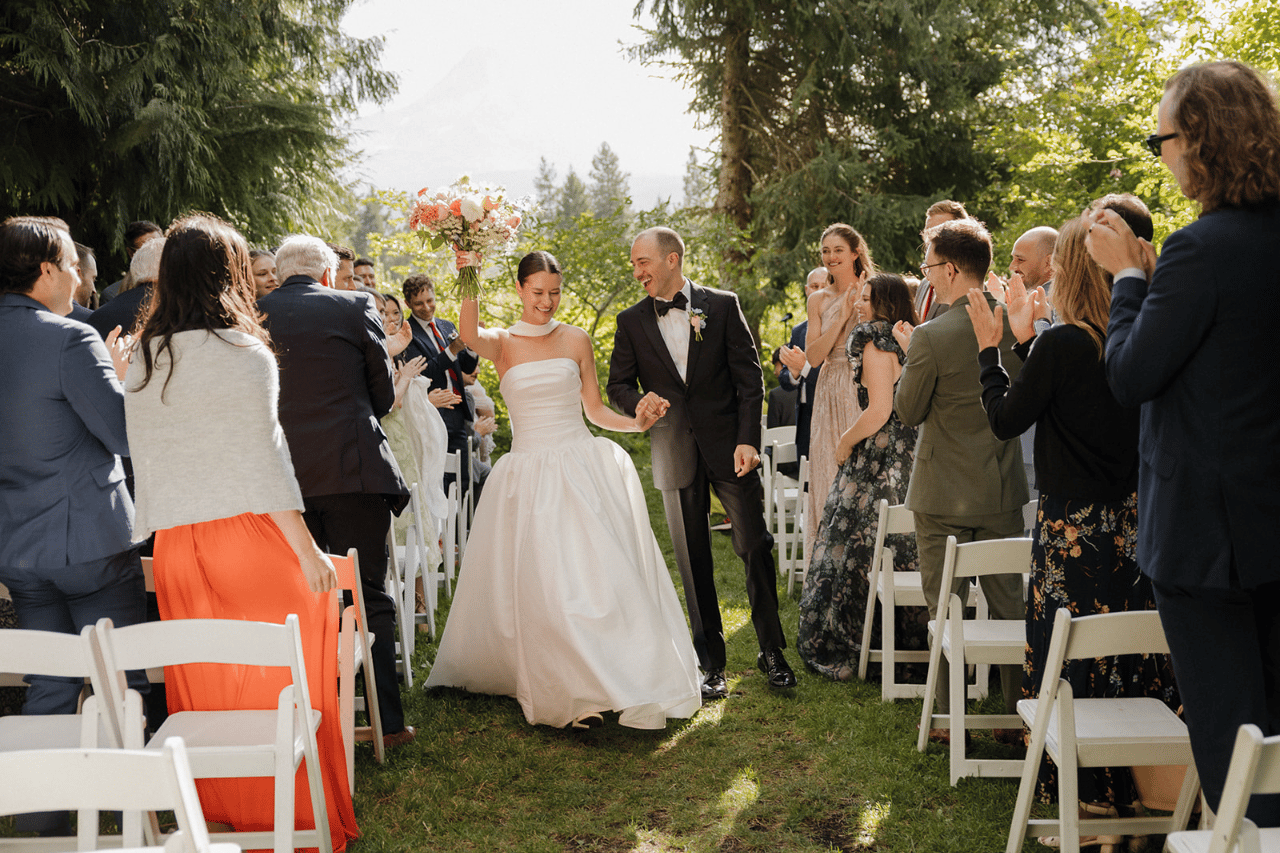
Wedding traditions have always evolved with each generation — and Gen Z couples are no exception. While classic wedding moments will always have a place (hello, walking down the aisle and cutting the cake), today’s couples are becoming more intentional about which traditions actually feel like them.
For many brides, the goal isn’t to have a wedding that checks every traditional box. Instead, couples are creating celebrations that reflect their personalities, values, relationships, and the way they actually want to start their marriage.
From skipping outdated expectations to replacing formal moments with more meaningful experiences, here are the wedding traditions Gen Z is officially rethinking.
1. The bride’s family paying for the entire wedding
The tradition of the bride’s parents covering the wedding costs is becoming less common as couples prioritize independence, financial transparency, and shared decision‑making.
Today’s couples are approaching wedding budgets in a variety of ways — from splitting costs themselves to combining contributions from both families. Many Gen Z couples are also having more open conversations about money before getting married, making wedding finances a shared responsibility rather than an expectation placed on one side of the family.
The modern alternative:
A collaborative wedding budget.
Instead of following the “who pays for what” rules of the past, couples are creating budgets based on what matters most to them. Some prioritize an incredible meal, while others invest more in photography, entertainment, or a destination weekend with loved ones.
2. Having a traditional wedding party
Large bridal parties filled with bridesmaids and groomsmen have been a staple of weddings for decades, but Gen Z couples are changing what standing beside them looks like.
Many couples are choosing smaller wedding parties, mixed-gender wedding parties, or skipping the traditional structure altogether. The focus is shifting from having a specific number of people involved to including the people who have truly supported their relationship.
The modern alternative:
A wedding party that feels personal — not performative.
Think:
- A smaller group of best friends
- A “bride tribe” without matching outfits
- Loved ones participating in meaningful ways throughout the day
- No wedding party at all (and totally embracing it)
3. The “giving away” of the bride
The tradition of a father walking his daughter down the aisle and “giving her away” comes from a time when marriage was viewed as a transfer of responsibility from one family to another.
Modern couples are increasingly choosing aisle moments that represent partnership rather than ownership.
The modern alternative:
A ceremony entrance that reflects your story.
Some couples are:
- Walking down the aisle together
- Walking with both parents
- Including siblings, grandparents, or chosen family
- Entering separately and meeting at the altar
Your walk down the aisle should symbolize your relationship — not an outdated expectation.
4. Waiting until the wedding day to see each other
The first look was once considered a major break from tradition, but in 2026, it has become one of the most popular ways couples personalize their wedding timeline.
Gen Z couples are prioritizing experiences over rules, and many don’t want to spend the majority of their wedding day apart from the person they’re celebrating with.
The modern alternative:
A first look (or a first touch).
Benefits include:
- More private time together before the ceremony
- Less pressure during the aisle moment
- More flexibility for photos
- A chance to calm nerves before the celebration begins
For couples who still want the traditional aisle reveal, a first touch offers a meaningful middle ground.
5. The traditional wedding registry
Gen Z couples are entering marriage differently than previous generations. Many already live together, have established homes, or prioritize experiences over physical gifts.
Because of this, traditional registries filled with household basics are becoming less relevant for many couples.
The modern alternative:
A registry that reflects your actual life.
Modern couples are choosing:
- Cash funds for honeymoons
- Home renovations
- Travel experiences
- Charity donations
- Subscription services
- Investment or future savings goals
The best registry isn’t about what couples are “supposed” to ask for — it’s about what will genuinely help them build their future together.
6. The big wedding day reveal on social media
While wedding content is everywhere online, Gen Z couples are becoming more thoughtful about what they share publicly.
Many couples are moving away from immediately posting every detail and embracing more intentional ways to document their wedding.
The modern alternative:
A wedding experience that exists beyond Instagram.
This might look like:
- An unplugged ceremony
- Private vows before sharing photos
- Waiting to post until after the weekend
- Creating a curated wedding album instead of chasing viral moments
The most memorable weddings aren’t always the ones that photograph perfectly — they’re the ones where guests feel fully present.
7. The “perfect wedding” expectation
Perhaps the biggest tradition Gen Z is leaving behind? The idea that there is one right way to have a wedding.
Social media has created endless inspiration, but it has also created pressure to recreate someone else’s celebration. Modern couples are increasingly choosing weddings that feel authentic rather than perfectly styled.
The modern alternative:
A wedding that reflects your relationship.
That could mean:
- A courthouse ceremony followed by a dinner party
- A destination weekend instead of a single-day event
- A nontraditional dress
- A cocktail-style reception
- A morning wedding with brunch
- A completely customized ceremony
The most memorable weddings in 2026 won’t be the ones that follow every tradition — they’ll be the ones that feel unmistakably personal.
The future of weddings isn’t about breaking tradition — it’s about choosing what matters
Gen Z isn’t eliminating wedding traditions. They’re editing them.
The modern bride isn’t asking, “What are we supposed to do?” She’s asking, “What feels meaningful for us?”
And that might be the biggest wedding trend of 2026: creating a celebration that feels less like a performance and more like the beginning of your actual life together.

Related Articles